Column · @rowanlpup966
How Weather Influences Your Paving Setup Timeline in the Bay Area
Introduction
When it concerns paving installation, timing is everything. In the Bay Area, an area renowned for its diverse climate patterns, understanding exactly how these problems impact your task timeline is vital. Whether you're thinking about interlocking pavers for your driveway or working with a paver installer to lay down some elegant pathways in your yard, weather condition plays a pivotal function in figuring out when and how efficiently your paving task gets completed.
In this article, we will certainly delve deep right into the relationship in between weather condition and paving installment timelines in the Bay Location. We'll explore various weather-related aspects that can affect your job, discuss ideal techniques for working with a paving installation expert, and offer insights right into intending your paving task according to seasonal variants. So, grab a mug of coffee and let's check out just how to browse the intricate world of leading installations under varying climatic conditions.
How Weather Influences Your Paving Installation Timeline in the Bay Area
The environment of the Bay Area dramatically affects every aspect of construction, including leading installments. Weather like rainfall, humidity, temperature level fluctuations, and also wind can change not only the timeline yet also the high quality and longevity of your smooth surfaces.
1. Temperature Fluctuations: The Double-Edged Sword
How Heats Can Slow You Down
High temperatures can create products like asphalt to end up being too soft and flexible. This can postpone setup given that installers should work a lot more cautiously to ensure appropriate residential retaining walls Walnut Creek compaction and adhesion.
Cold Weather: A Various Challenge
Conversely, low temperature levels can make hardening processes longer than regular. When temperature levels drop listed below 50 ° F(10 ° C), some products may not cure properly, bring about prospective concerns down the line.
2. Rainy Days: Buddies or Foes?
Impact of Moisten Paving Projects
Rain is commonly seen as a considerable barrier when it comes to paving installations. Wet soil can bring paver driveway Walnut Creek about instability throughout installation and may call for postponing projects until conditions improve.
What Happens After Rain?
Even after rainfall stops, dampness can stay in the ground, influencing compaction efforts and bring about unequal surface areas otherwise addressed promptly.
3. Humidity: The Hidden Enemy
How Does Moisture Affect Material Performance?
Humidity levels play an important role in curing times for concrete-based products. High moisture can decrease evaporation rates which might prolong treating times unnecessarily.
Dealing with Too much Moisture
For areas susceptible to high moisture degrees, it's necessary to consider added actions such as protective coverings during curing periods.
4. Wind: An Underestimated Factor
Why Wind Matters During Installation
Strong winds can interrupt the application process for both asphalt and concrete installations by creating irregular application or premature drying before correct setup occurs.
5. Seasonal Variations: Preparation Ahead
Best Seasons for Leading Installations
Spring and loss are typically thought about optimal times for paving projects in the Bay Location because of modest temperatures and lower opportunities of heavy rainfall.
Winter Blues: What You Required to Know
While winter may appear much less busy for numerous service providers as a result of cooler temperatures, certain winter days can still offer suitable conditions if monitored closely.
Choosing the Correct time for Your Paving Project
Understanding climate patterns is vital when scheduling paving job. Here's just how you can purposefully pick your task timings:
6. Examining Local Climate Patterns
Using Historical Information for Planning
Researching historic temperature data and rainfall data specific to your community permits you to select dates that reduce threats associated with adverse climate conditions.
7. Working together with Your Paver Installer
Professional Insight Matters
Your selected paver installer will have experience managing local weather obstacles; their understandings can save you time-- and money-- by preventing suboptimal conditions for installation.
8. Prepping Your Website Prior To Installation
Importance of Site Preparation
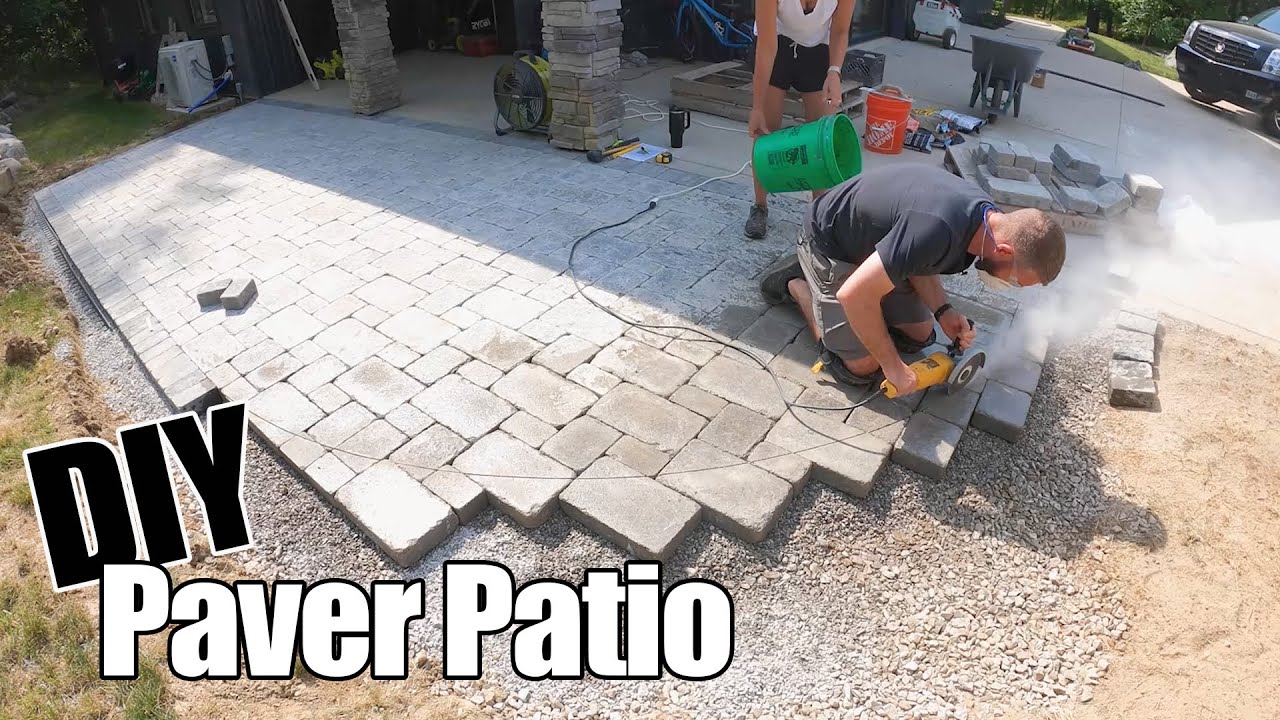
Proper website prep work is critical no matter weather. Cleaning away any particles or plants guarantees optimum adhesion whether it's hot or chilly outside.
FAQs regarding Weather condition's Impact on Leading Installation
1. What must I do if it rains on my scheduled paving day?
If rain is anticipated on your scheduled day, seek advice from your paver installer promptly. They might recommend rescheduling or implementing procedures like covering fresh products with tarpaulins temporarily.
2. Can I pave during winter?
Yes! However, extreme care needs to be taken pertaining to temperature level limits; specialized techniques might be needed when functioning under freezing conditions.
3. Does humidity influence asphalt curing?
Absolutely! High moisture levels prolong dissipation prices which may bring about expanded healing times; keeping proper wetness degrees is essential throughout this phase.
4. How does warm affect interlacing pavers?
Intense warm can soften pavers too much during installment; hence installers must make sure when putting them under high-temperature situations.
5. Is there a perfect temperature array for installing pavers?
Generally talking, temperatures in between 60 ° F (15 ° C)-- 80 ° F (27 ° C) develop ideal conditions for setting up both asphalt and interlocking pavers properly without complications arising from too much warmth or coldness.
6. What are some signs that I require to reschedule my task as a result of negative weather?
If extreme tornados are anticipated within a few days prior or during installment timetables-- specifically those entailing hefty rainfall-- it's advisable to consult with experts regarding delaying until far better problems arise.
Conclusion
Navigating with the complexities of weather impacts on paving tasks calls for foresight and planning but doesn't need to be discouraging! By taking regional climate factors to consider right into account when organizing installments-- working together with seasoned experts-- you'll establish on your own up for success while avoiding hold-ups brought on by undesirable weather elements.
In verdict, understanding how weather condition affects your paving installation timeline in the Bay Area equips home owners and contractors alike in making notified decisions that eventually lead towards gorgeous completed landscapes prepared for showcasing!